

Carnegie, Pennsylvania
Dipped by hand,
packed to order
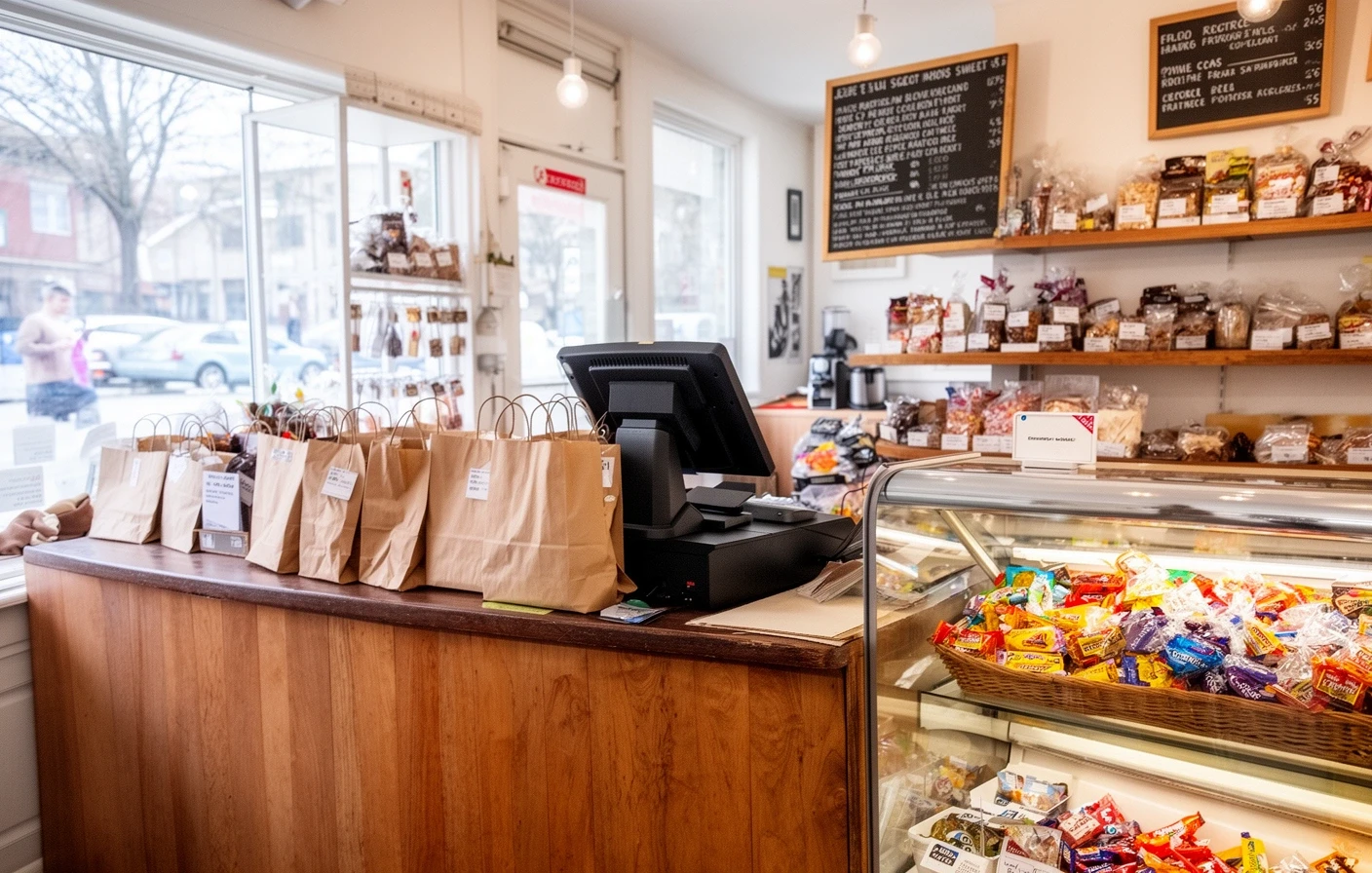
A neighborhood sweet shop on East Main Street with a small kitchen in the back. Hand-dipped chocolates, sea salt caramels, penny candy by the scoop, and gift tins filled the week you collect them.
The shop
Small batches, a few feet
from where you buy them
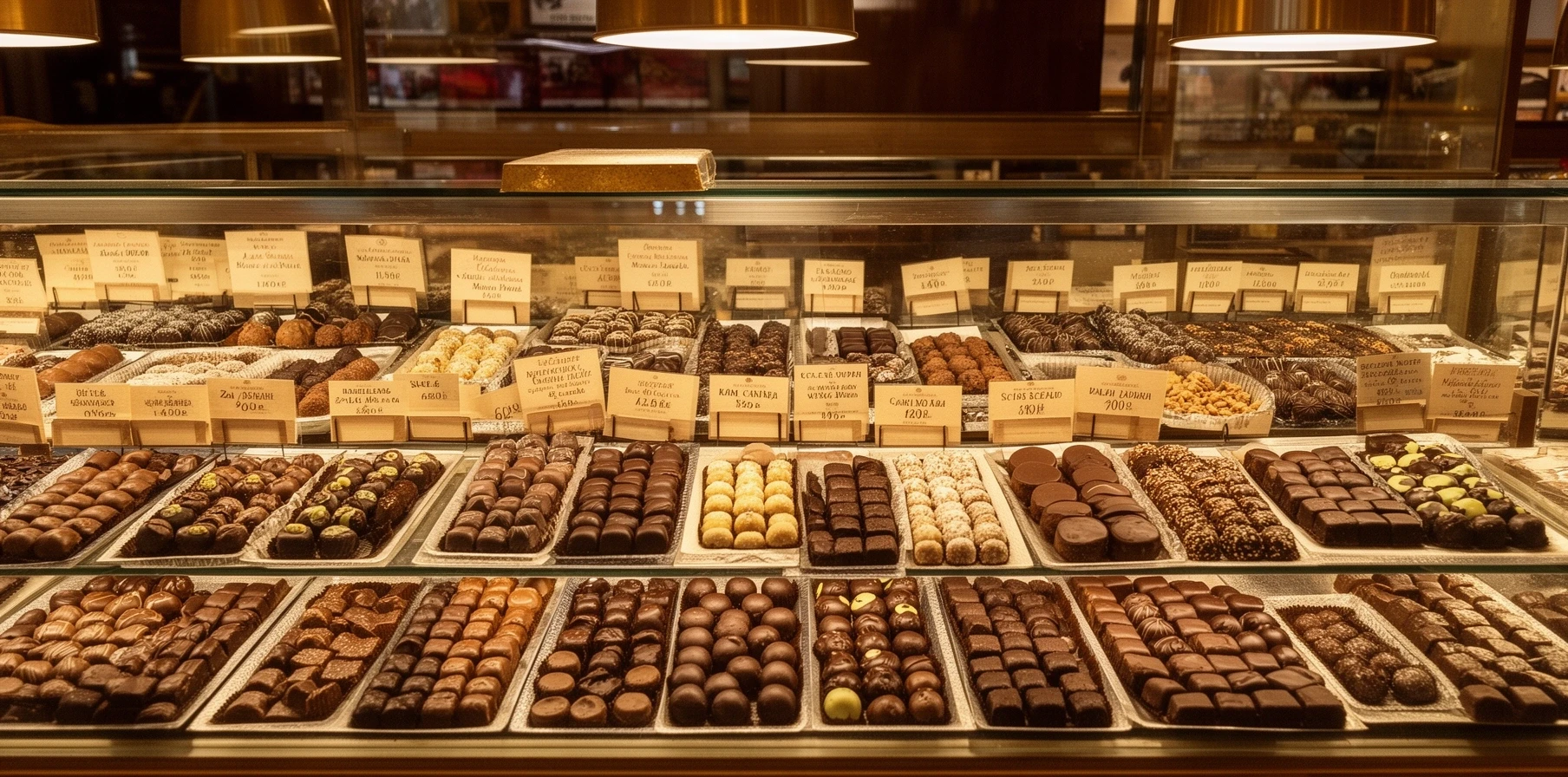
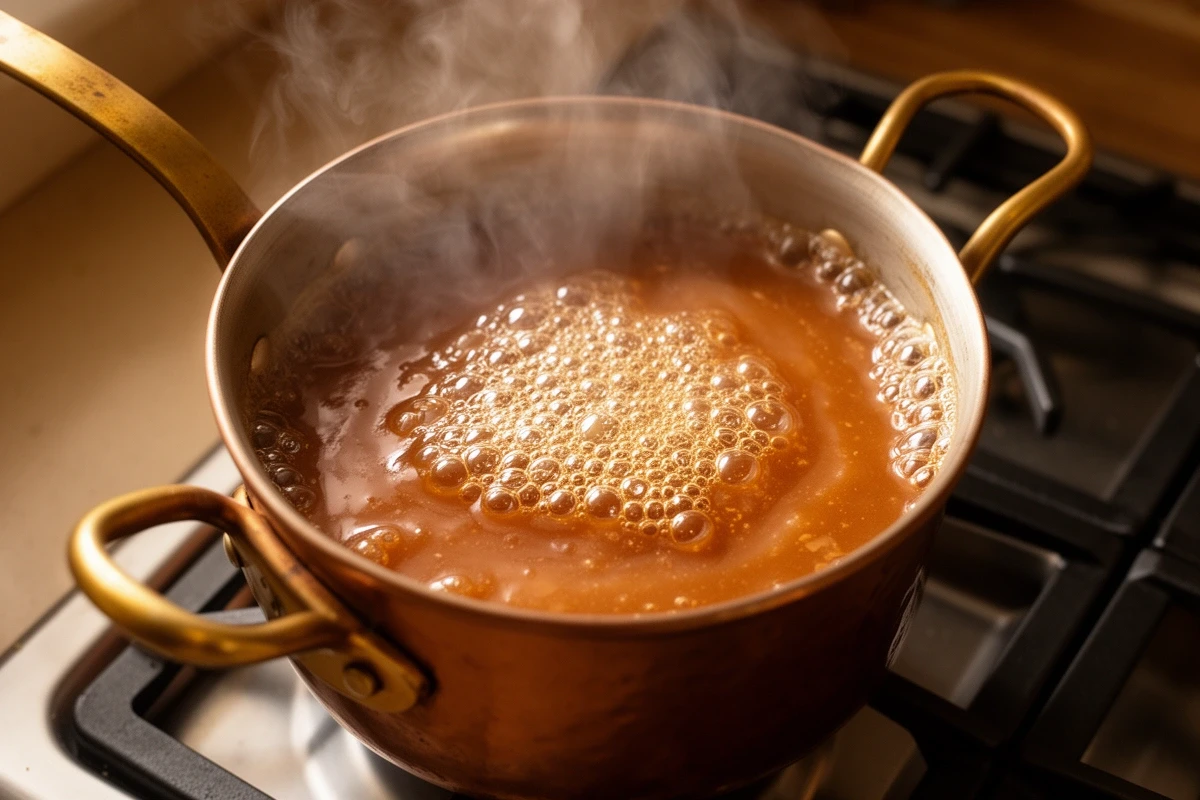
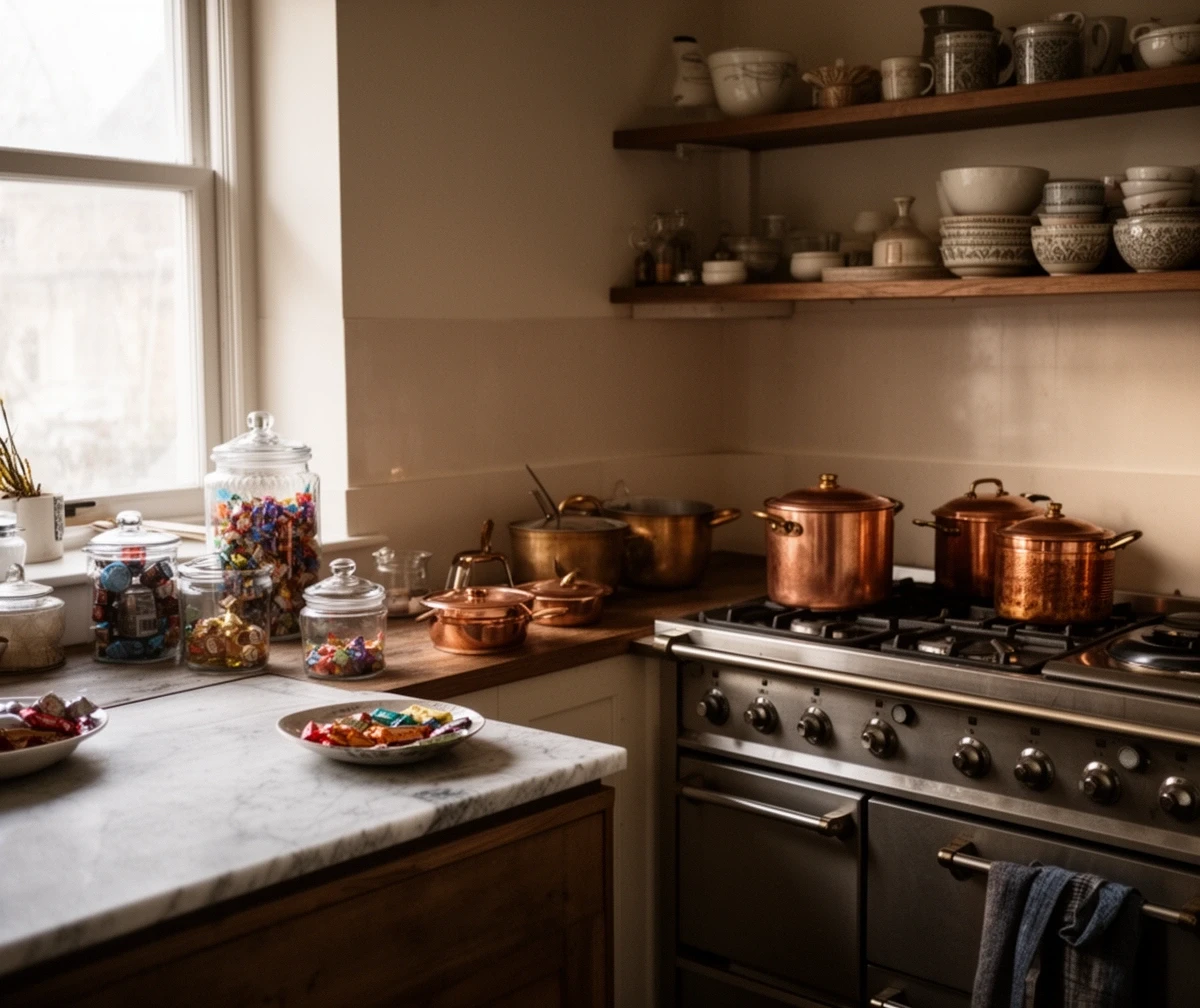
Everything on the counter was made in the kitchen behind it. Copper pots, a marble slab, a dipping fork and a timer that gets ignored in favour of the smell of the sugar. Nothing sits for long, because nothing is made far ahead.
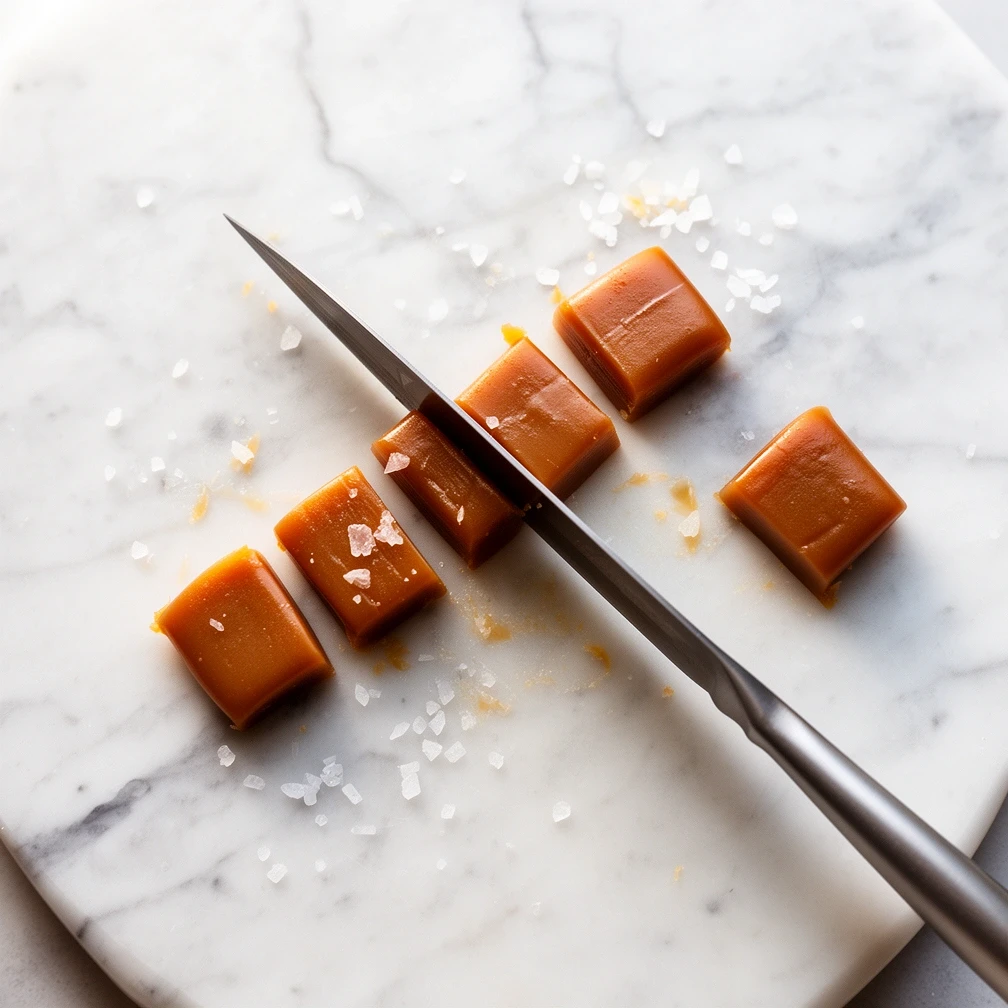
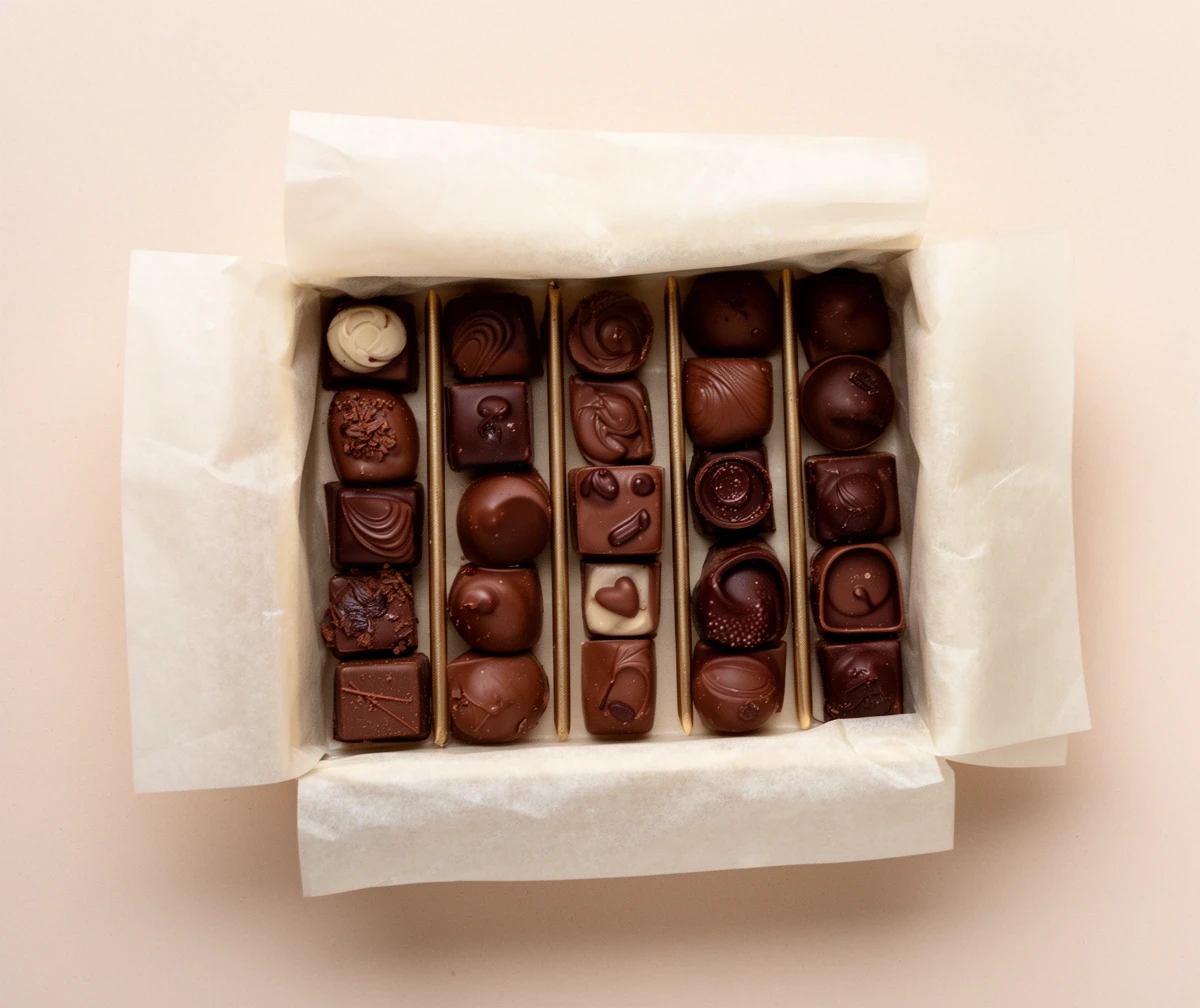
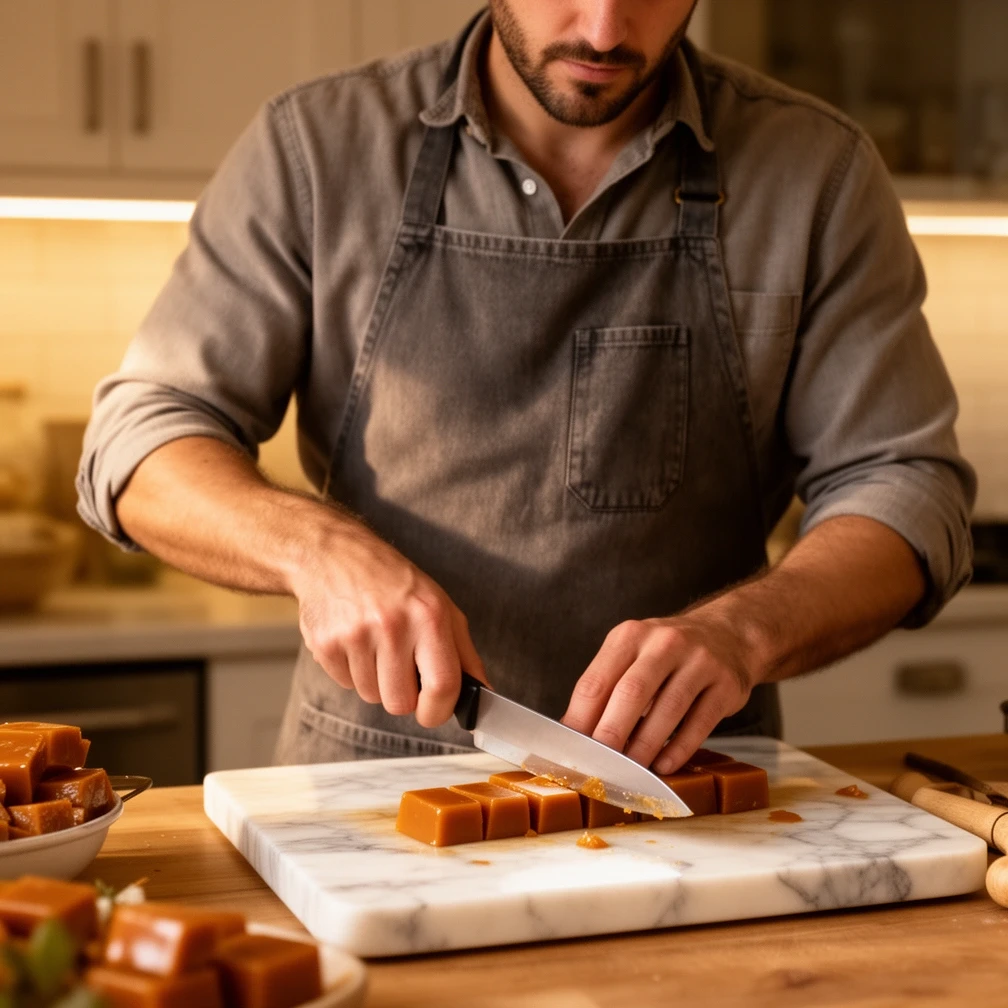
The chocolate is tempered in small batches and dipped by hand, which is why no two pieces match. Caramels are cooked slow, cut on the slab and finished with flake salt while the surface is still warm enough to hold it.
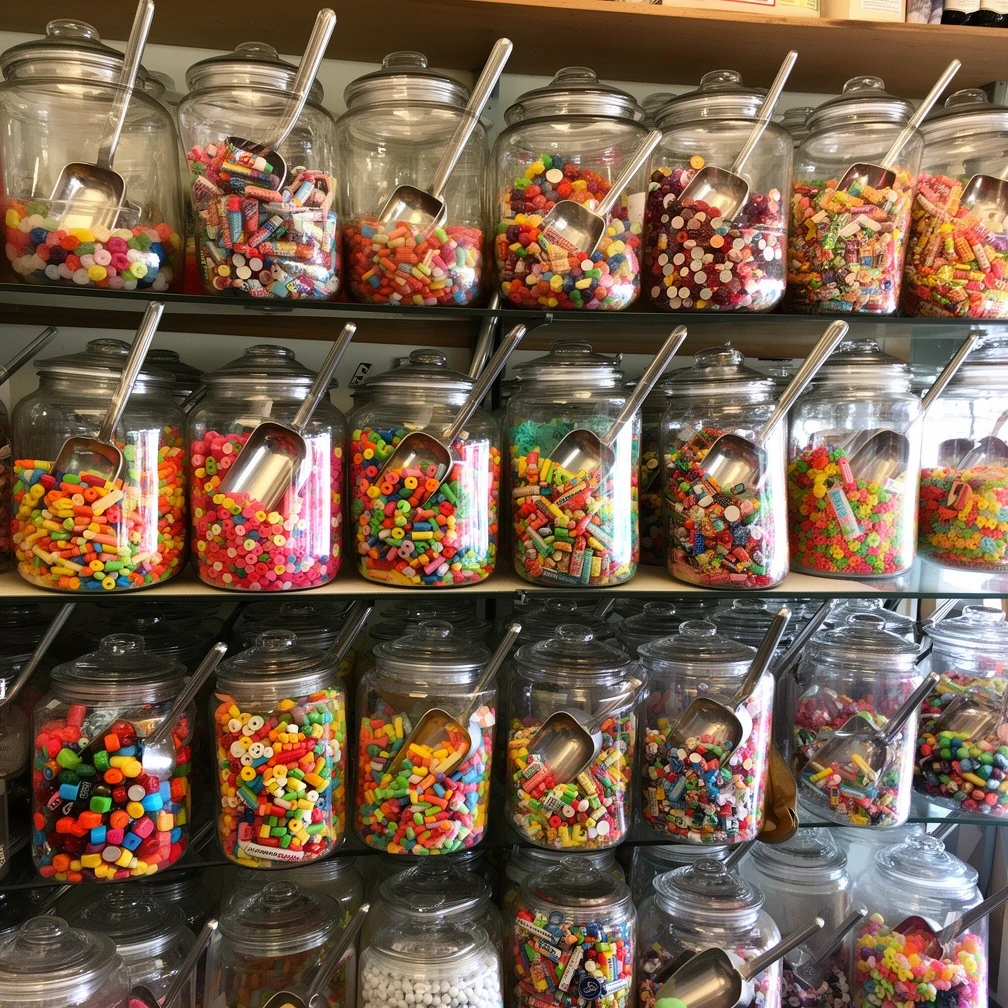
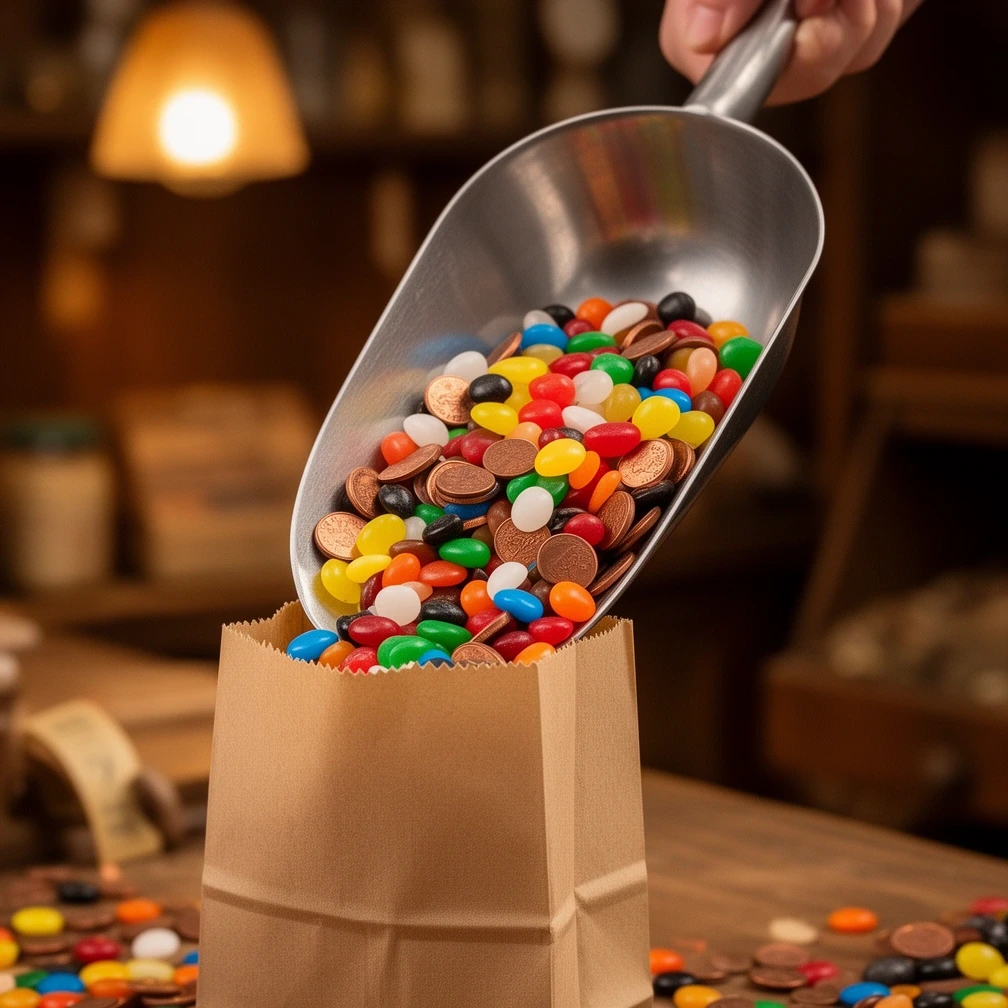
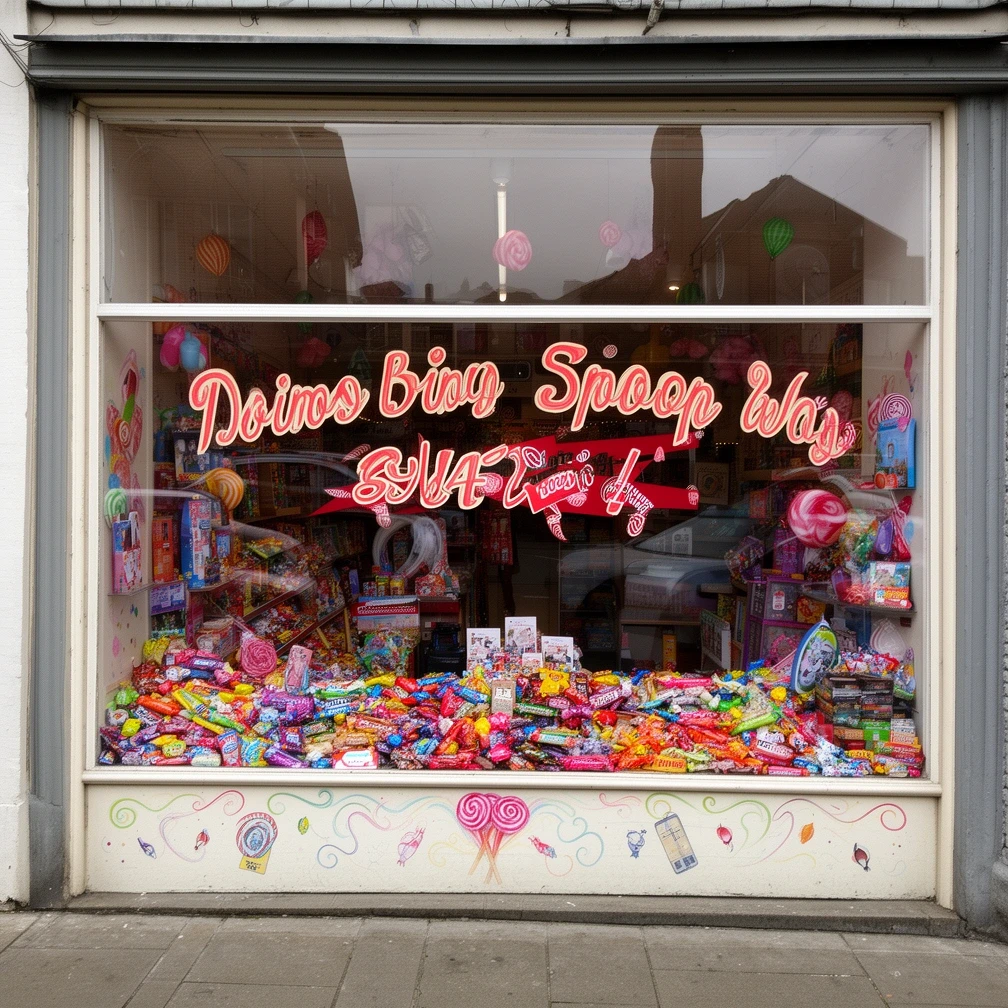
The penny candy wall is the part most people come back for. Scoop what you want into a bag, weigh it at the register, and pay for exactly that. Kids get to do their own scooping, which is the whole point of a candy store.
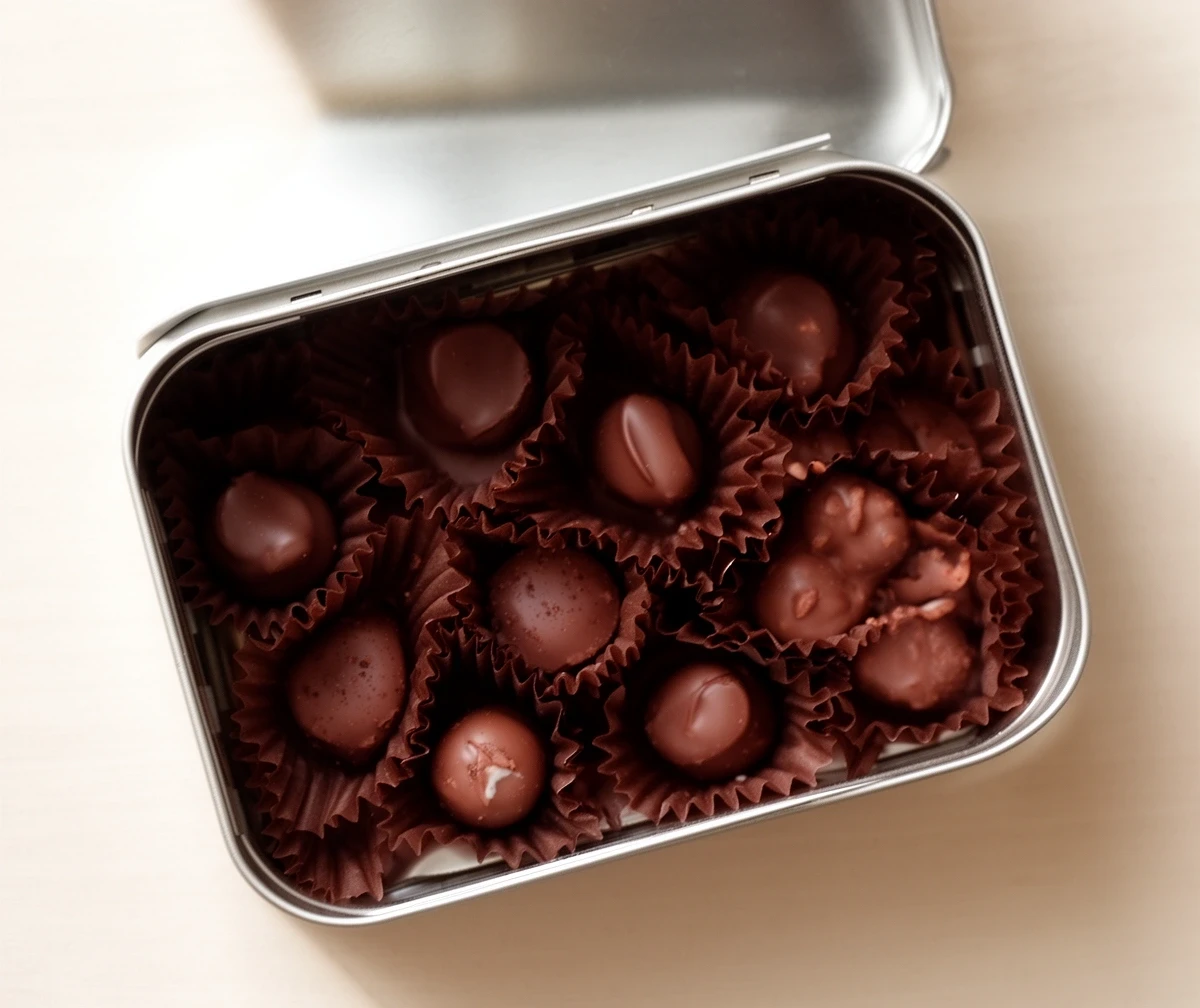
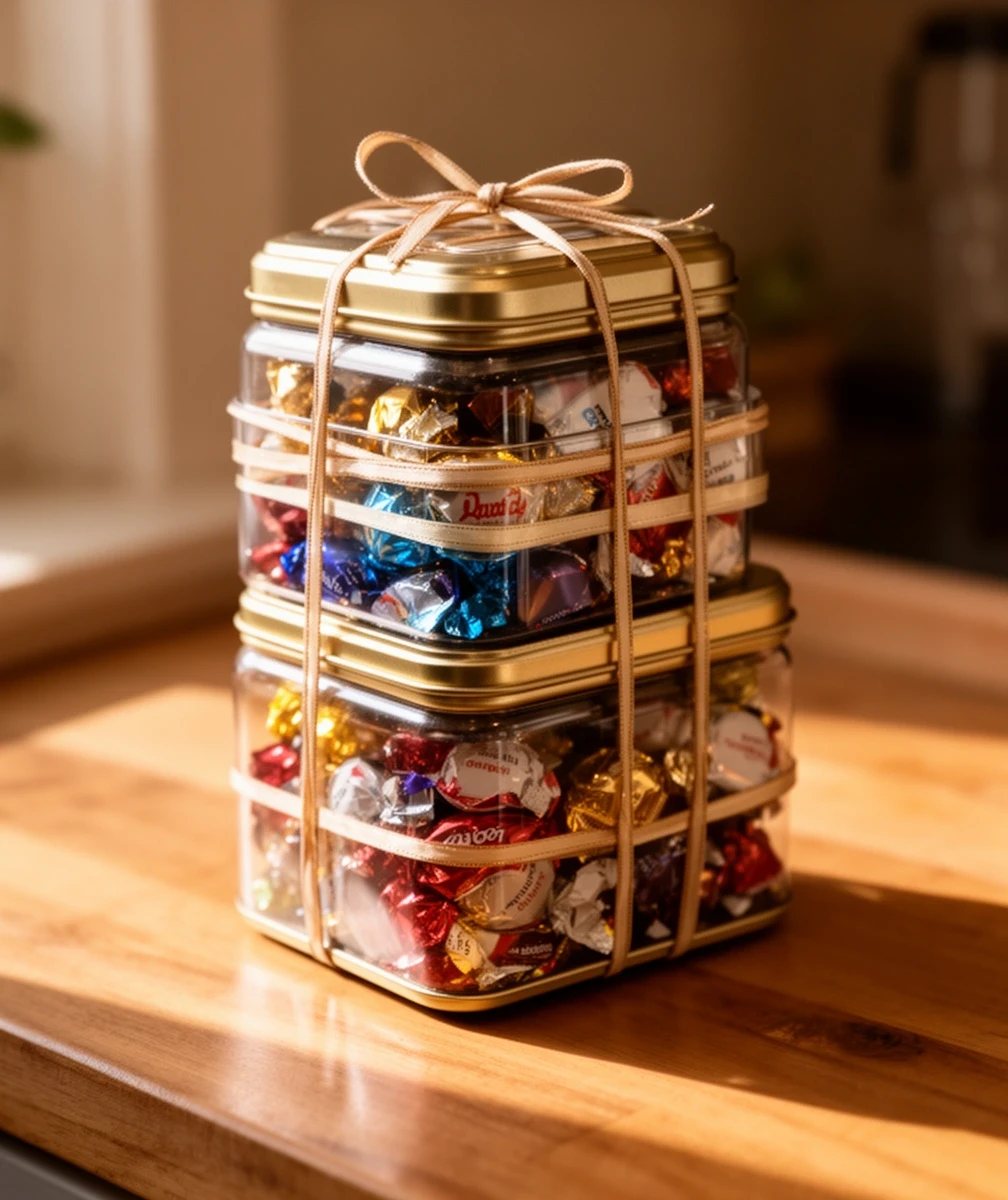
Gift tins are packed to order rather than pulled off a shelf. Tell us the sweet tooth you're shopping for and we'll fill the tin around it, seal it and have it ready for pickup.
What’s always here

How a piece gets to the case
Cooked
Sugar, cream and butter go into the copper pot in the morning. One batch at a time, watched to the shade rather than to the clock.
Cooled
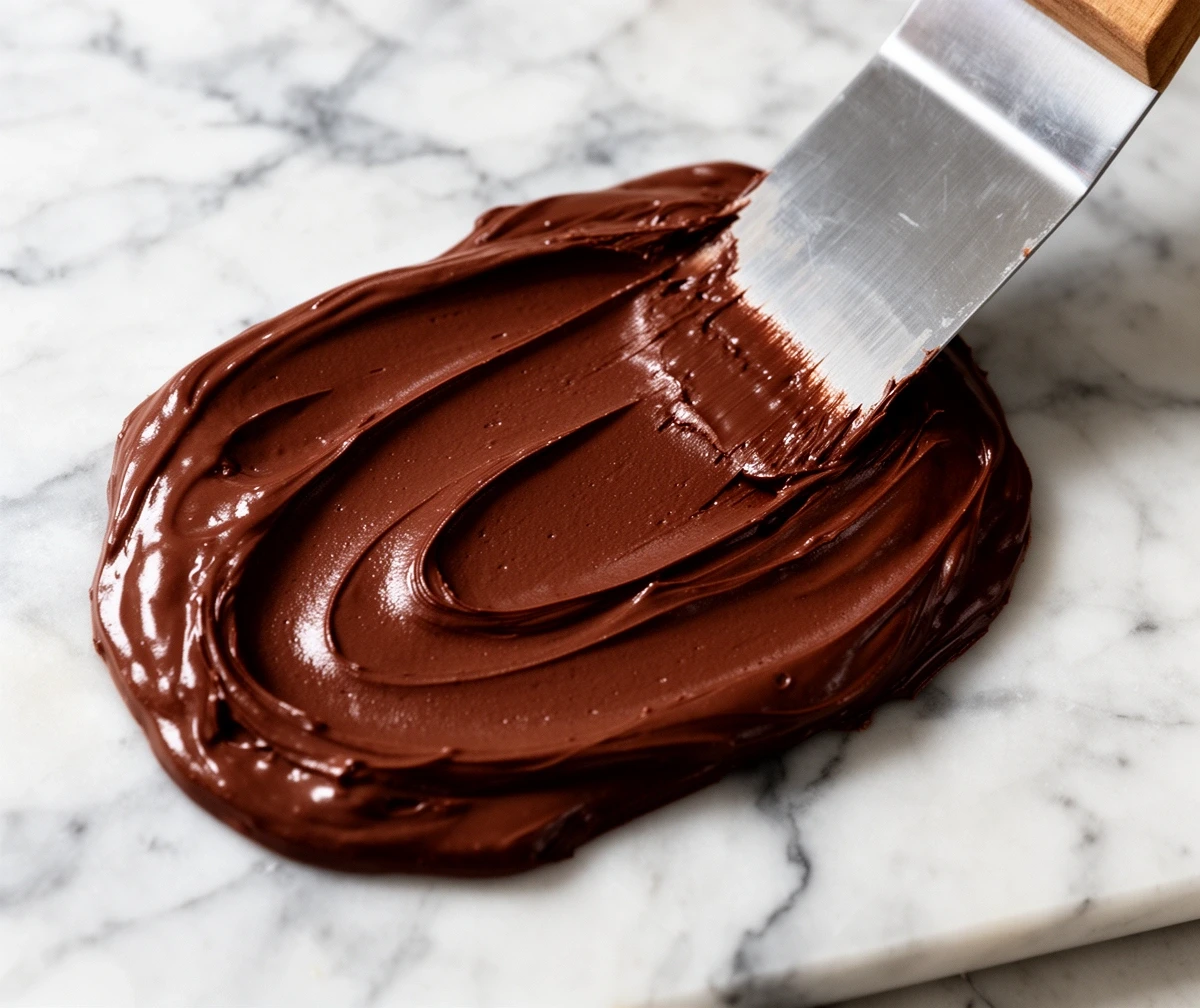
The batch goes onto the marble slab, gets worked until it sets, then cut by hand. Edges get trimmed, offcuts get eaten.
Dipped
Chocolate is tempered on the stone and each centre is lifted through it on a fork, then set down to firm on parchment.
Packed
Tins are filled at the same bench, weighed, lined with paper and tied. Nothing is packed until the day it's collected.
I stopped in for one caramel and left with a half pound bag and a tin for my mother. The chocolate still tasted warm.
Dana

The back kitchen
One room, one stove
The kitchen is roughly the size of the shop floor. A stove, two copper pots, a marble slab for cooling and a rack of trays that go straight out to the case once the chocolate has set.
Batches are small on purpose. A run of caramels is cooked, cut and salted in a single morning, and a batch of dipped chocolates rarely lasts the week. If something sells out by Saturday it comes back Tuesday rather than being stretched.
The recipes are short. Cream, butter, sugar, salt, a good chocolate and not much else, because a caramel with a long ingredient list is usually hiding something.
Behind the counter

Marina Grecka — chocolatier & owner
Marina runs the dipping bench and the tempering stone, and does most of the packing for gift orders. She started the shop after fifteen years of making candy in other people's kitchens, and she still tastes every batch before it goes in the case. If you call about a corporate order, she's the one who answers.
Peter Pollak — caramels & kitchen
Peter cooks the caramels and keeps the penny candy wall stocked, which means he refills the same three jars far more often than the rest. He works by feel rather than by thermometer and has the burns to prove it. On a good morning he'll hand you an offcut across the counter before you've finished deciding.
Ordering and pickup
Local pickup
Orders are collected at 237 E Main St. Give a name at the counter and the box is under it. Small orders same day, anything over a few pounds give us two.
Corporate tins
Gift tin orders start at ten. Tell us the headcount, the date and anything to avoid, and we'll confirm the assortment and price before anything is cooked.
Allergens
One small kitchen that handles nuts, dairy, wheat and soy, so nothing here is free from any of them. We'll tell you what's in a piece if you ask.
Keeping it
Chocolates are best within two weeks, caramels three, kept cool and dry rather than in the fridge, which dulls the chocolate and makes the caramel sweat.
We sent thirty tins to clients before the holidays. Every one of them got mentioned back to us.
Ellen
Made in one small kitchen that also handles nuts, dairy, wheat and soy. Tell us about an allergy before you order and we will be straight with you about what we can and cannot promise.